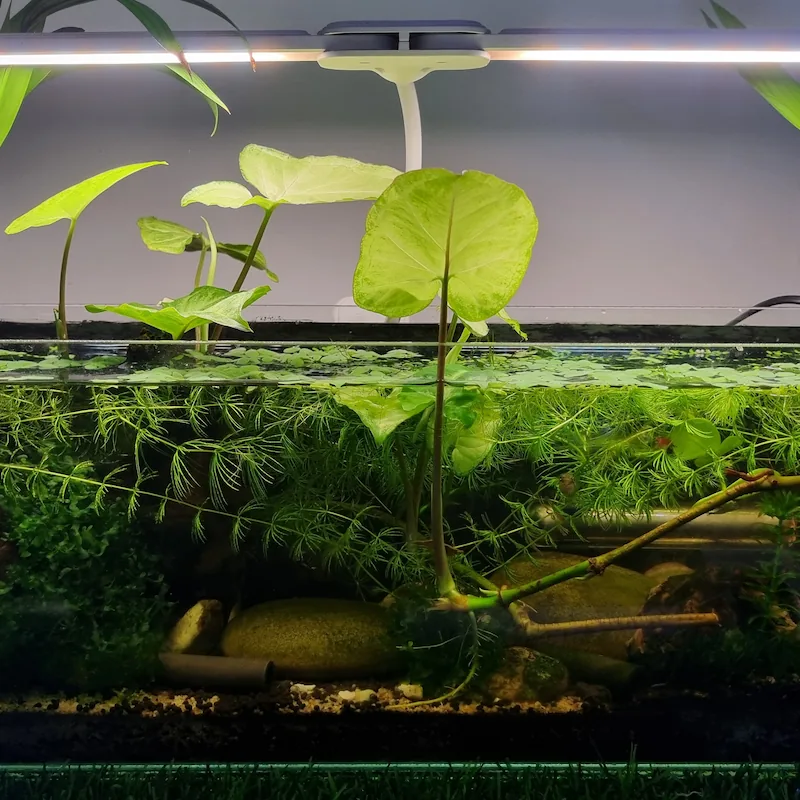
Are you new to the fish hobby? Or do you perhaps just want to know more in general? Either way, in this guide, we are going to cover the basics in this beginners guide to successful fishkeeping. Finned friends require special care and needs, so knowing what you’re doing is extremely important.
Choosing Your Aquarium Type
There are three aquarium types to choose from: freshwater, saltwater, and brackish water. Each type has its own selection of fish, plants, and other requirements. It’s important to consider the tank’s size, shape, and location before doing anything else.
We would recommend setting up a small freshwater fish tank (20L) to experiment and play around with while learning the basics before moving on to bigger tanks or projects. Smaller isn’t always better, and it may require more maintenance than usual, depending on your setup and the ecosystem inside the tank.
Please note: Fish DO NOT grow in relation to the size of the tank. This is a myth and it’s not true. Properly sized tanks give your fish friends the opportunity to reach their full potential while also promoting healthy environments.
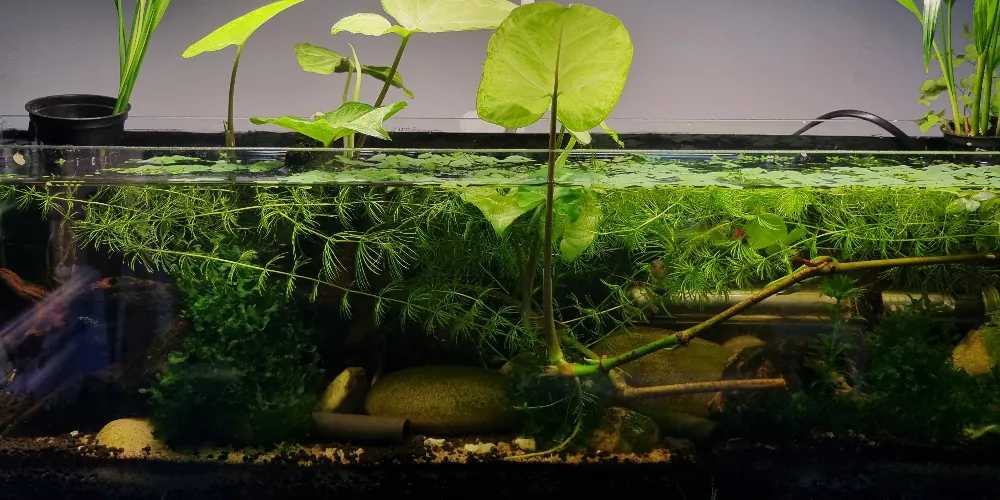
Selecting Fish for Your Tank
Remember to always choose fish that are compatible with each other. Factors to consider include temperament, activity levels, water parameters and any other special care requirements. Avoid mixing aggressive, territorial, or significantly different-sized species, as this can lead to problems such as fin nipping and bullying.
Always do your research on the ideal tank mates for any fish you’re interested in keeping. DON’T BUY FISH UNTIL YOUR TANK IS PROPERLY CYCLED!
Recommended Fish for Beginners
- Guppies
- Mollies
- Tetras
- Harlequin Rasbora
- Pygmy Corydoras
- Zebra Danios
- Platies
- Neocaridina Shrimps
- Goldfish
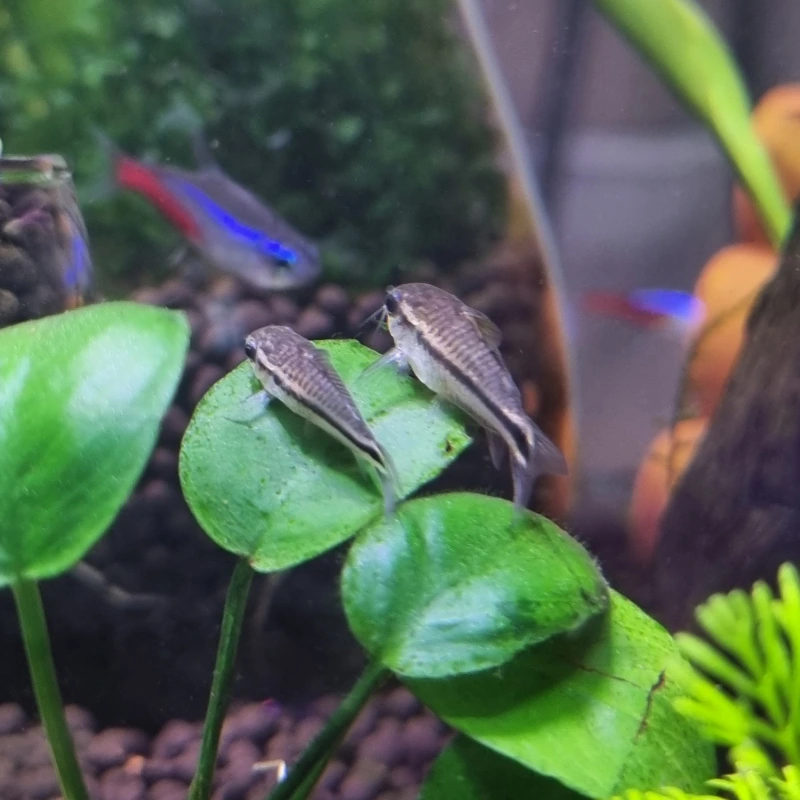
These fish are generally easy to care for, inexpensive, and can thrive in a wide range of water conditions. Starting with a few of these hardy, beginner-friendly species can help build confidence and experience before moving on to more challenging fish types.
Essential Fishkeeping Equipment
- Tank
- Lid
- Light
- Filter
- Heater
- Thermometer
- Algae Scrubber (an old toothbrush works wonders too)
- Fishnet
- Decoration/Plants
- Substrate
- Syphon (Gravel Vacuum or just a water hose)
- Water Conditioner
- Water Test Kits (ph, Nitrite, Ammonia)
- Water Bucket/s
Setting Up the Aquarium and Cycling It
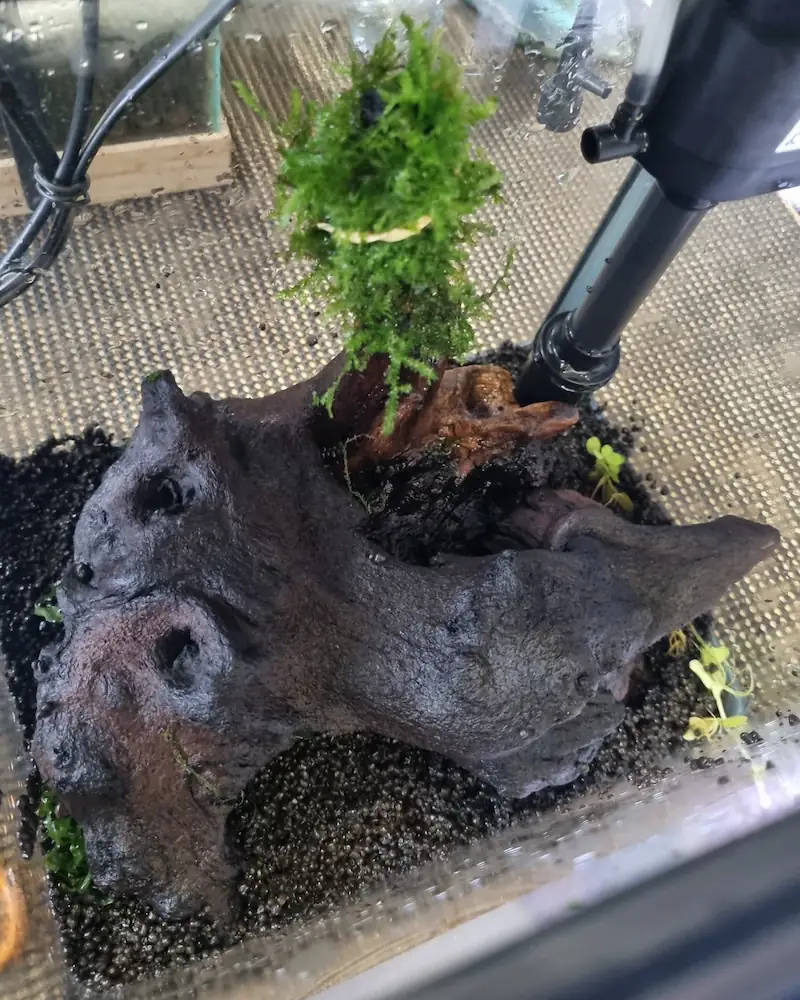
There is no right or wrong when scaping your tank, however, here are a few pointers to help you out on the right path. Begin by adding substrate to the tank, after giving it a thorough rinse once or twice. Next, add any decorations, plants (aquarium-safe plants list here), and hardscape features such as driftwood. Remember to quarantine new aquarium plants and boil driftwood before adding it to the tank. Lastly, fill the tank with dechlorinated water and add the rest of the equipment, so the tank can start the filtration process.
Tanks should cycle for at least a week before adding fish (time varies depending on the cycling method). This allows for beneficial bacteria to establish in the newly planted tank in order to keep nitrogen levels low.
Water Quality and Parameters
One of the most critical aspects of fishkeeping is maintaining proper water quality. Fish are very sensitive to fluctuations and imbalances in the water, and there can be serious consequences (like fish death) if their water parameters aren’t met. pH levels should be monitored closely and are usually between 6.5-8.0 for most fish. Maintaining a stable pH is essential for stress prevention in you and your fish too.
The frequency and amount of water to change depends on the bioload in your tank, but generally a 10% to 20% change weekly is sufficient. Save time by cleaning your filter when doing water changes too. Increase or decrease water change frequency according to the level of nitrates present in the tank.
By testing your water quality weekly along with partial water changes, you can keep pH and other parameters within an ideal range. Always use a reliable test kit and don’t skip a water change!
Feeding Your Fish
Just because your fish looks hungry, doesn’t mean it is. Overfeeding is a common problem, leading to poor water quality and sick fish. This can be avoided by feeding them once daily or two light feedings per day. Uneaten food should be removed with a syphon (gravel cleaner) to prevent decomposition and ammonia spikes. Only feed as much as your fish can consume within a couple of minutes. It’s important to find the right balance for your tank’s inhabitants.
Each type of fish has special preferences when it comes to food types and feeding times. Many fish require a nutritious and varied diet. For example, some fish need a mix of pellets and live foods. Knowing what to feed your fish will keep them healthy and happy.
Types of Fish Food
There are a lot of different fish foods you can choose from. Here are the main categories:
- Flakes
- Pellets
- Wafers
- Freeze-Dried
- Frozen or Live Foods
- Other Foods
Signs of Common Fish Diseases and How to Treat Them
Even with the best care, your fish friends can sometimes fall ill. Noticing the early signs of disease is important for fast and efficient treatment. Identifying the underlying cause, whether it be stress, poor water quality, nutritional deficiencies, or a pathogenic infection, will determine the appropriate way forward. This includes anything from medications to improving water parameters and adjusting the diet.
Quarantining new fish and practising good hygiene can also help prevent the spread of contagions within the aquarium.
Early Signs to Recognise
- Loss of Appetite
- Abnormal Behaviours
- Skin Lesions and Abnormalities
- Fin and Gill Discolouration
The Do’s and Don’ts of Fishkeeping (The Short Version)
DON’T:
DO:
Conclusion
Setting up an aquarium requires more effort than you might think, but it’s worth it. Don’t get discouraged by ongoing maintenance and care, there are many ways to make it enjoyable. We hope our beginners guide to successful fishkeeping has helped you get on your feet!
Learn more about the different types of fish tanks in our latest post.